
Getting the keys to your first house in Singapore is exciting, but small renovation decisions can have a big impact on everyday comfort. Many new homeowners focus on carpentry and lighting, then realise later that their curtains, blinds and flooring make the home feel too hot, too bright or simply not as cosy as they imagined.
At DTShades, many couples tell us they wish someone had guided them earlier on these choices. Here are some common home renovation mistakes and how to avoid them when you are deciding on curtains versus blinds for your home and planning your flooring.
Too hot and too bright
Marcus and Elaine recently moved into their new home, which faces the side where the afternoon sun hits directly. After settling in, they noticed the living room became uncomfortably warm from mid-afternoon onwards. The strong sunlight created glare around the seating area and by evening the room still felt warm because the walls had absorbed heat throughout the afternoon.
In Singapore, homes that face the afternoon sun often experience this issue. The heat can build up quickly and remain trapped indoors, especially when sunlight shines directly into the living area for several hours.
A practical solution we often recommend at DTShades is perforated roller blinds, also known as sunscreen roller blinds. These blinds are made with small micro-perforations that filter the sunlight instead of completely blocking it.
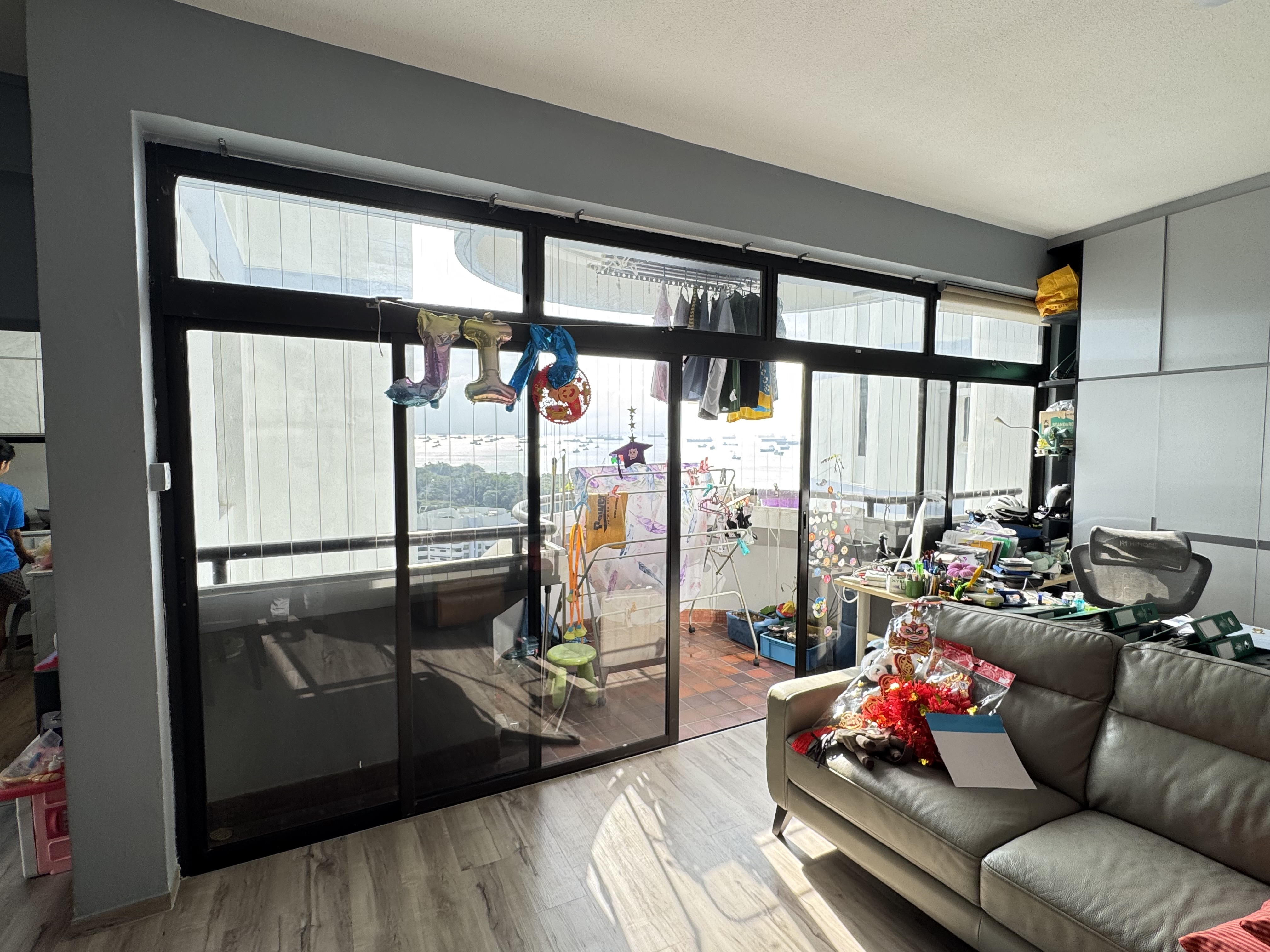 Before
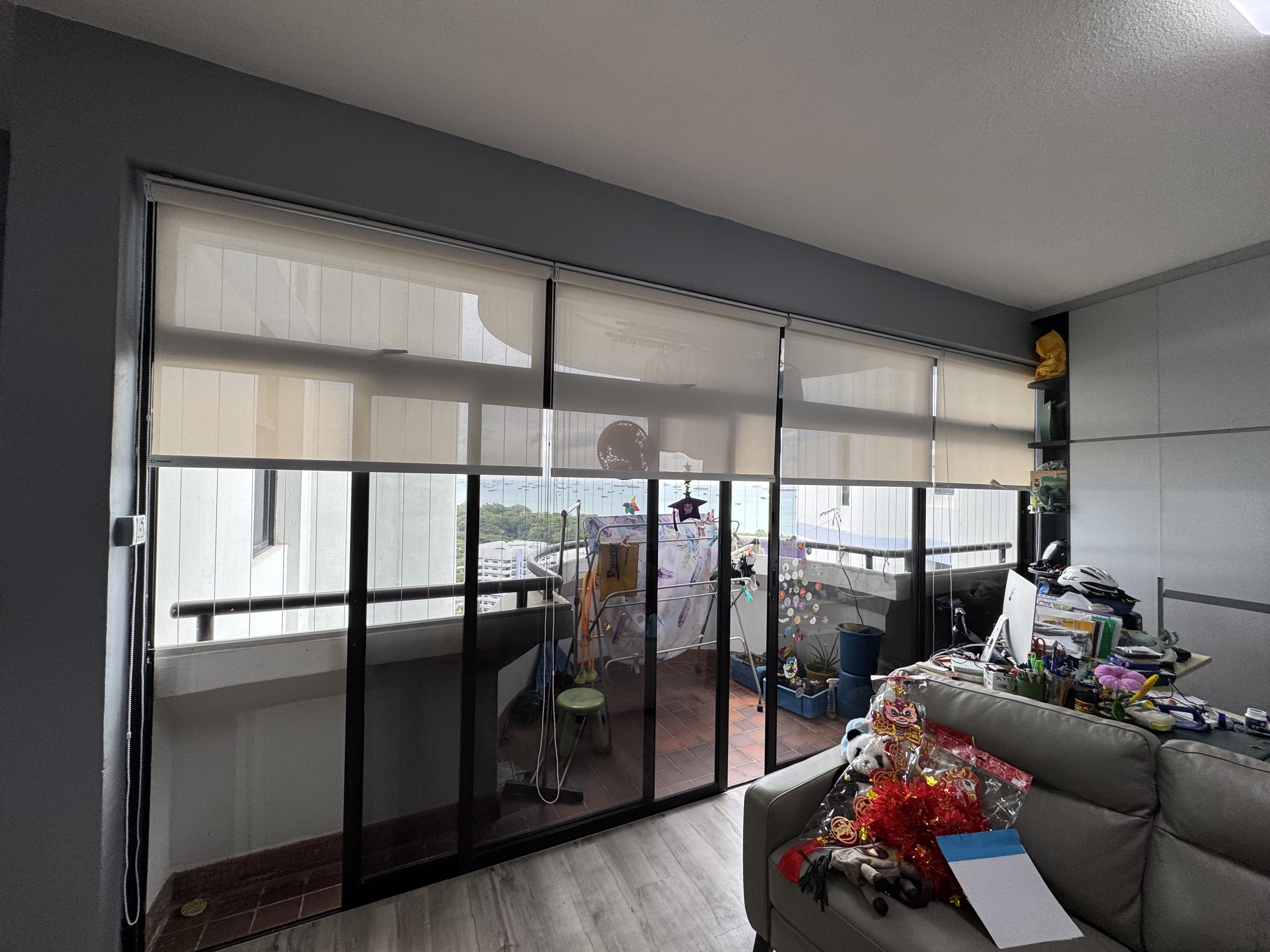 After
After
Glare that never seems to go away
Sheer curtains are popular because they look soft and airy in photos, but many homeowners are surprised when the television still reflects heavily in the afternoon. The room looks bright and pretty, yet your eyes feel tired when you watch shows or work from home for long periods.
This happens because sheer day curtains are designed mainly to diffuse and soften light, not to block strong sunlight or remove glare. Light filtering does not always mean significant reduction in brightness, especially in a tropical climate with strong daylight like Singapore.
To handle glare more effectively, we recommend combining day curtains with either dim out curtains or full night curtains, depending on how dark you want the room. This approach lets you keep the bright and open feel when you wish but cut the glare significantly for screen time or rest.
Homeowners usually find that this combination creates comfortable brightness and much clearer television viewing without making the room feel like a cave.
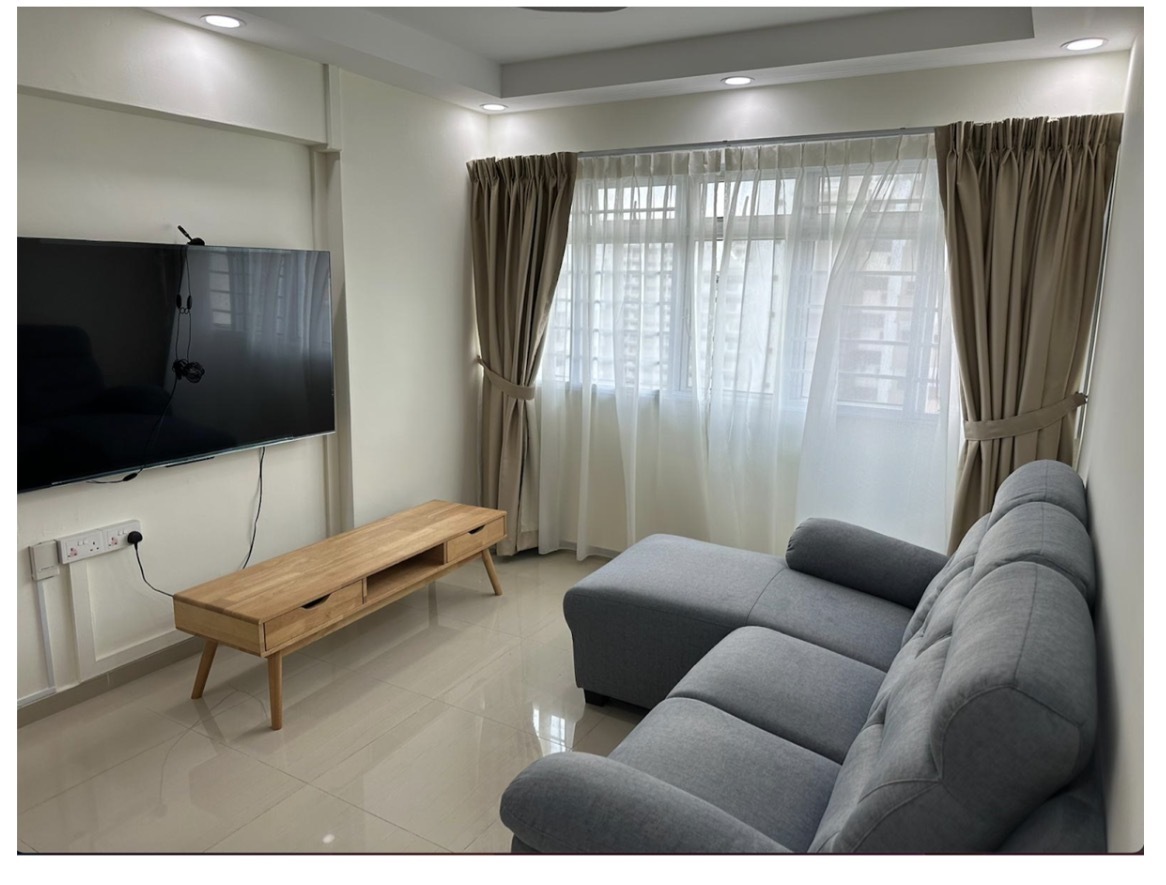
A costly renovation that still looks incomplete
Many couples invest heavily in built in carpentry, feature walls and flooring, then leave curtains and blinds to the final stage. At that point budget and energy are low, so they choose the fastest or cheapest window option, often without matching it to their interior colours.
The result can be curtains that clash with wall paint, blinds that look too harsh next to soft furnishings, or drapes that hang flat and lifeless, which makes an otherwise well renovated home feel unfinished.
In reality, window furnishings act like a frame for your view and a soft boundary for the room, so they should be planned together with your overall interior style. At DTShades, we pay attention to fabric texture, tone and curtain fullness usually around one and a half to twice the window width so that the curtains look rich and cohesive with your furniture and flooring.
When this is done well, the home feels more like a complete design rather than a collection of separate elements.
Floors that scratch or age too quickly
Flooring is another area where trends can overshadow practicality. Wood look designs are popular in Singapore, but not all materials handle daily wear equally well, especially in dining areas and corridors. Some homeowners notice scrapes and drag marks within months, particularly under dining chairs and along high traffic paths.
Singapore’s humid climate and compact layouts mean floors must deal with both moisture and frequent use. Stone plastic composite flooring, often called SPC, is known for good durability, scratch resistance and water resistance, which makes it well suited for local homes.
When we advise clients, we usually encourage them to consider thicker SPC options together with proper skirting and edge finishing to protect walls and exposed edges. This makes future repairs easier and helps the floor maintain its appearance over time.
Because flooring is expensive and disruptive to replace, starting with a more durable specification often saves money and stress in the long run.
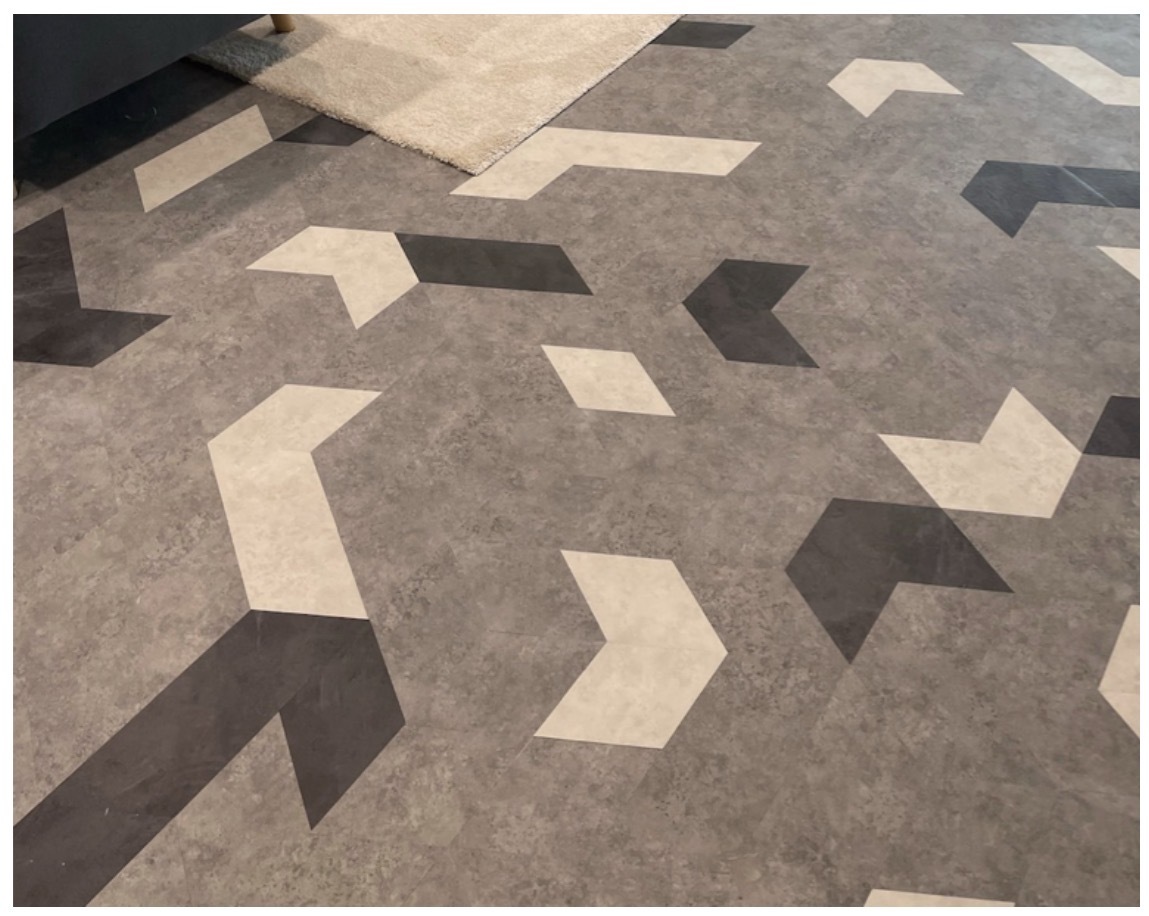
Beautiful but hard to clean
Another common regret comes from not thinking about maintenance during material selection. White day curtains installed next to busy roads or open windows tend to show dust quickly, and fabric blinds near cooking areas can trap grease and odour. Textured flooring can hide minor marks but it may also hold dirt in grooves, making cleaning more tedious.
Singapore’s high humidity causes dust and grime to cling more easily to surfaces and also encourages mould growth in damp areas if materials are not cleaned regularly. This means that items which look great in styled photos can require much more effort in real life.
At DTShades, we try to match materials to the way you actually live. For example, easy wipe blind materials work better near kitchens and balconies, while washable fabrics are more suitable for day curtains in dust prone areas. For flooring, smoother finishes that can be swept and mopped easily tend to be more practical for busy households.
A home that is easier to maintain stays looking fresh longer and reduces the time you spend on cleaning each week.
Design smarter from the beginning
Choosing between curtains and blinds for your BTO and selecting the right flooring is not only about following trends, it is about creating a comfortable and sustainable home in Singapore’s tropical climate. Direction of sunlight, humidity, dust and daily habits all play a part in how well your choices will age.
DTShades consultants help first time homeowners think through these details early so that your new flat feels cool, cohesive and easy to maintain, not just good in photographs.
